
Garage Floor Coating in Winter Garden, FL: What to Know Before You Coat
· By Helio Lopes de Gois
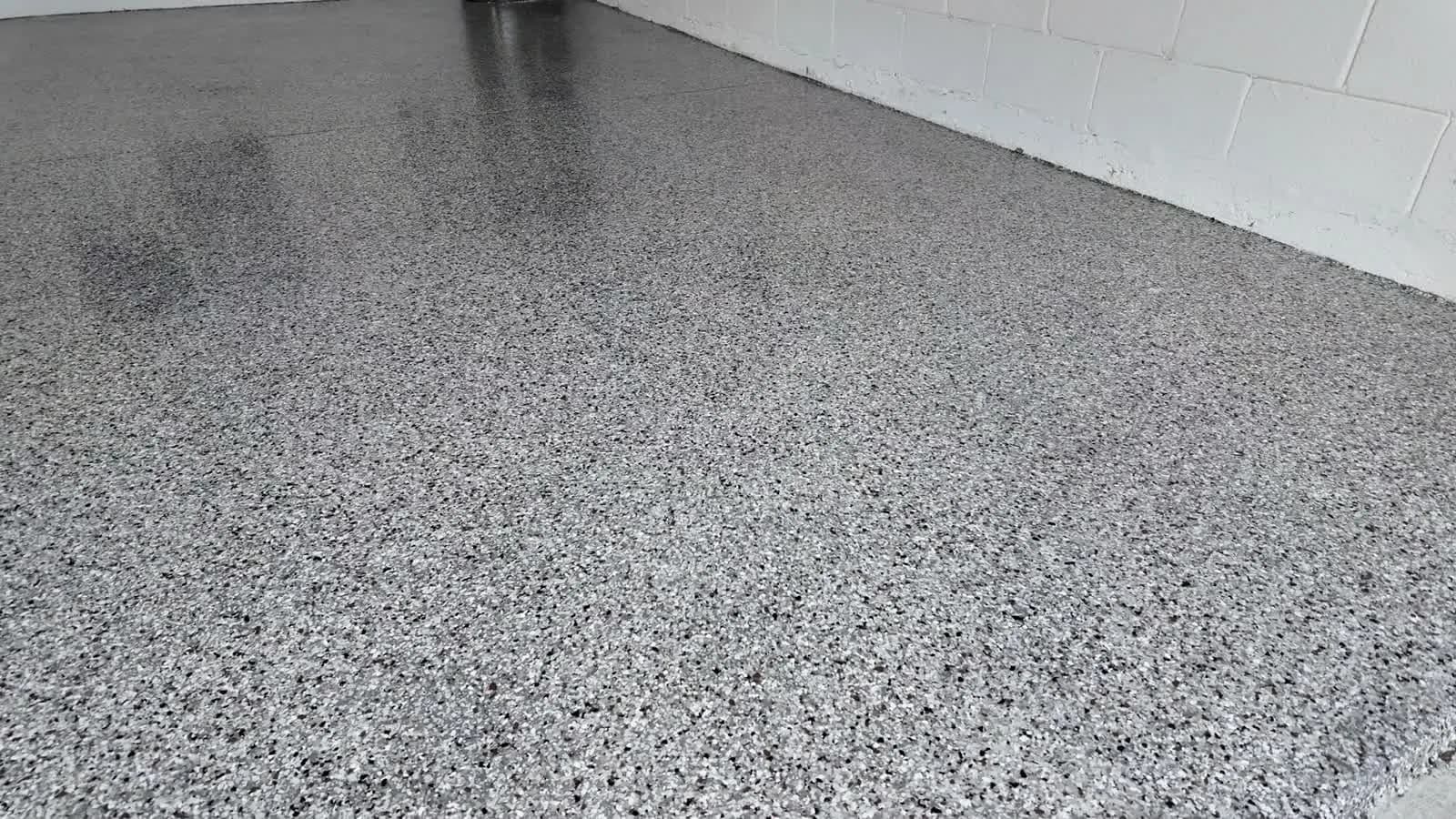
Winter Garden is one of the fastest-growing corners of West Orange County, and that growth shapes almost every question we hear about garage floor coatings here. On one side is the new-construction boom of Horizon West, Hamlin, Waterleigh, and Independence, where families move into homes with fresh, bare concrete and want to protect it before the first oil drop shows up. On the other side are the established neighborhoods around historic downtown and Plant Street, where garages carry decades of stains, patched cracks, and old sealer that all have to be dealt with first.
This guide is the informational companion to our Winter Garden service page. Instead of pitching, it walks through the decisions that actually matter before you coat: whether a brand-new slab is even ready yet, how the Central Florida climate affects the job, the one-day process and cure timeline, honest cost ranges, and the questions worth asking any installer who claims to cover West Orange County.
Why the Central Florida climate matters more than you think
Winter Garden garages live in heat and humidity for most of the year, and both play a real role in how a coating performs. Bare concrete is porous, so in our climate it pulls moisture up from the slab and the water table. That moisture is the number one reason a cheap coating peels or bubbles within a year or two. A proper system starts by testing the slab and using a moisture-tolerant primer so the coating bonds instead of floating on trapped vapor.
Summer here also swings hot and stormy, which affects install timing. Polyaspartic and polyurea systems, the kind most reputable installers use for garages, cure fast and are far less sensitive to temperature and humidity swings than old-school epoxy, which is why they are now the standard for Florida garages. The daily payoff is simple too: an uncoated slab in a closed garage gets hot, dusty, and stain-prone, while a sealed floor is easier to keep clean.
None of this requires you to be an expert. It just means the prep and the product matter more than the color chip you pick. A finish that looks great on day one but was rushed onto a damp or dusty slab will not last through many Central Florida summers.
New slab or old slab: the biggest question in Winter Garden
Because so much of Winter Garden is new construction, the most common question we get is about brand-new garages in Horizon West, Hamlin, Waterleigh, and Independence: should you coat right away? Fresh concrete needs time to cure before it can hold a coating. As a general industry rule, new slabs should cure roughly 28 days before a coating goes on. Coat too early and moisture still leaving the concrete can undermine the bond.
The upside for new homeowners is that a fresh slab is the cleanest starting point: no years of oil soaked in, no failed sealer to strip, no deep staining. Once it has cured, sealing early is one of the smartest protective moves you can make, because it stops the very first stains and tire marks from ever setting in. Many new-build owners plan the coating for shortly after move-in, once that cure window has passed.
Older homes near historic downtown and Plant Street are a different story. Those garages often need aggressive grind-out prep: diamond grinding to remove old sealer or paint, opening the concrete profile so the new coating can grip, and repairing cracks or pitting first. That extra prep is not upselling, it is what makes a coating last on a slab that has lived a long life. Expect an older garage to involve more prep than a new one, and expect the price to reflect that.
The one-day process and the real cure timeline
For a typical residential garage, the install itself is usually a one-day job. A crew arrives in the morning, grinds the concrete, fills and repairs cracks, then applies the base coat, broadcasts decorative flakes if you chose a flake finish, and seals it with a clear topcoat. Most single and double garages are done in a single working day.
What trips people up is the difference between install day and full cure. With modern polyaspartic and polyurea systems you can often walk on the floor the same evening and park a car on it within about a day, though timing depends on the product and conditions. Full chemical cure, when the coating reaches maximum hardness and chemical resistance, takes longer, commonly a few days. Ask your installer for the specific walk-on, drive-on, and full-cure times for the exact system they use.
Plan around it. If you rely on your garage for daily parking, storage, or a home gym, a single day of clearing it out is a small trade for a floor that should last years. Move bikes, mowers, and gear out the night before so the crew can start on a clean, empty slab.
What it costs (an honest range, not a lowball)
Pricing varies with slab size, condition, and finish, so any real number has to come from seeing your garage. That said, a professionally installed polyaspartic or polyurea flake floor is a meaningful investment compared to a paint-on kit from a big-box store, and it should be. The reason is prep and materials: proper grinding, crack repair, moisture-tolerant primer, and a durable topcoat cost more than a bucket of floor paint and a roller.
The two biggest cost drivers are square footage and slab condition. A brand-new Horizon West or Waterleigh slab that only needs cleaning and grinding sits at the lower end. An older garage near Plant Street with failed sealer, cracks, and pitting takes more labor and materials, so it lands higher. A double or three-car garage costs more than a single simply because there is more floor.
Be cautious with quotes that look far cheaper than everyone else. In a coating, the price you cannot see is the prep, and skipped prep is exactly what leads to peeling later. Get a written, itemized quote that spells out prep, product, coats, and warranty, then compare like for like. We are happy to provide a free, no-pressure quote for your specific garage.
Choosing a finish that fits your garage
Most Winter Garden homeowners land on a decorative flake system, and for good reason. Flake floors blend a base coat with vinyl color chips and a clear topcoat, giving you a surface that hides minor imperfections, adds grip underfoot, and comes in a wide range of color blends. It is the most popular residential choice because it looks finished and forgives the everyday reality of a working garage.
For a more high-end look, a metallic finish creates a glossy, marbled effect under lights, while a solid-color coating gives a clean, uniform surface. Each uses the same durable base technology, so the choice is mostly about appearance and slip resistance. A slight texture in the topcoat is worth asking about if your garage ever sees water tracked in during Florida storms.
Think about how you use the space, too. A garage that doubles as a workshop, gym, or hangout benefits from a lighter, brighter flake blend that makes the room feel larger. Whatever you pick, the finish only performs as well as the prep underneath it.
Questions to ask an installer who actually covers West Orange County
A company that genuinely works Winter Garden will know the difference between a new Horizon West slab and an older Plant Street garage without you explaining it. Start by confirming they regularly serve your neighborhood, whether that is Hamlin, Waterleigh, Independence, Windermere, or the streets near the West Orange Trail and downtown, and that reaching you off SR-429 is routine.
Then get into the technical questions that separate a lasting job from a quick one. Ask how they prep the slab: mechanical diamond grinding is the standard, not just an acid wash or a light scuff. Ask which coating system they use and its cure times. Ask whether they test for moisture, especially important in humid Central Florida. Ask how they handle crack and pitting repair, and get the warranty in writing.
Finally, ask for photos of real local jobs and a clear, itemized quote. A confident installer will walk you through prep, product, timeline, and price with no pressure. If a company dodges the prep questions or only wants to talk about the lowest number, that is your signal to keep looking.
Frequently asked questions
- How long should a new construction slab in Horizon West cure before coating?
- As a general industry rule, new concrete should cure about 28 days before a coating is applied. Fresh slabs in Horizon West, Hamlin, Waterleigh, and Independence are still releasing moisture in the first few weeks, and coating too early can compromise the bond. Once that cure window passes, a new slab is usually the cleanest, easiest floor to coat because it has no old stains or failed sealer to remove.
- Is it worth coating a brand-new garage right away?
- Yes, once the slab has cured. Sealing a new garage floor early is one of the best protective moves you can make because it stops the first oil drops, tire marks, and stains from ever soaking into bare concrete. Many new-build owners in Winter Garden schedule their coating shortly after move-in, once the roughly 28-day cure period has passed.
- Why do older garages near Plant Street cost more to coat?
- Older homes near historic downtown Winter Garden often have garages with old sealer or paint, cracks, and pitting that all have to be handled before a new coating goes down. That means more diamond grinding, more crack repair, and more labor than a fresh slab needs. The extra prep is what makes the coating last, so it is reflected in the price. Condition and square footage are the two biggest cost drivers.
- How long until I can park on my coated garage floor?
- With modern polyaspartic and polyurea systems, you can often walk on the floor the same evening and park a car back on it within about a day, depending on the product and conditions. Full chemical cure, when the coating reaches maximum hardness, usually takes a few days. Ask your installer for the exact walk-on, drive-on, and full-cure times for the specific system they use.
- How much does a garage floor coating cost in Winter Garden?
- Cost depends on the size and condition of your slab and the finish you choose, so an accurate number comes from seeing the garage. A new, clean slab in Horizon West or Waterleigh sits at the lower end, while an older garage with cracks and failed sealer lands higher because it needs more prep. A professional polyaspartic or polyurea flake floor costs more than a big-box paint kit, and the difference is in the prep that makes it last. We offer a free, itemized quote for your specific garage.
Related services
Ready for an exact price?
Get a free, no-pressure in-home estimate. Real numbers for your home, not a phone guess.