
Garage Floor Coating in Lake Mary, FL: A Family Home Guide
· By Helio Lopes de Gois
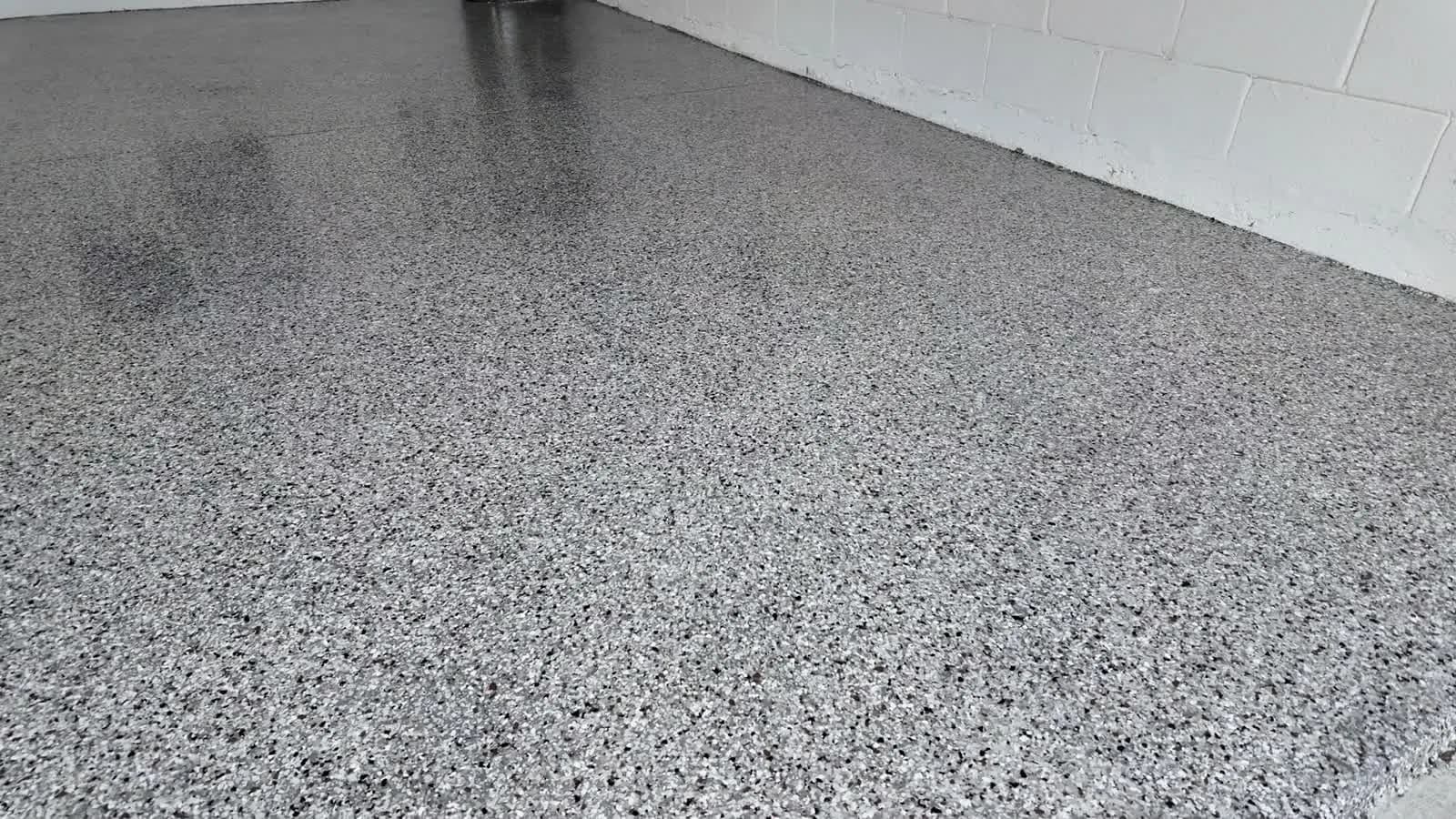
In Lake Mary, the garage is rarely just a place to park. Walk through the family neighborhoods off Lake Mary Boulevard, Rinehart Road, and the Colonial TownPark corridor, and you will find two and three-car garages doing five jobs at once: parking, storage, a corner workshop, a spot for the kids' bikes and sports gear, and the daily drop zone where everyone kicks off shoes before heading inside. When that floor is bare gray concrete, it fights you the whole way. Dust never quite sweeps up, oil drips soak in and stain, and after a summer downpour the surface gets slick right where people walk.
A quality floor coating changes how the whole space works. This guide is written for Lake Mary and Seminole County families, from Heathrow and Timacuan to Greenwood Lakes, and it covers what you actually need to know before you commit: how the one-day install works even on a big garage, how to pick a finish and color, the honest range on cost, and the exact questions to ask so you hire someone who does it right the first time.
Why a Family Garage in Lake Mary Wears Out Faster
Bare concrete is porous, which is the root of most garage floor complaints in Central Florida homes. It drinks up motor oil, dropped paint, spilled sports drinks, and the road grime that rolls off tires after a run down I-4. Once those liquids soak in, they leave stains that no scrubbing removes, and the surface keeps shedding a fine gray dust that ends up on your storage bins and the car.
Family garages take even more abuse than most. A busy household in Heathrow or Timacuan is dragging bikes, coolers, and folding tables across that slab every week and setting up a workbench for weekend projects. Add Florida's humidity and the moisture that migrates up through a slab, and an untreated floor looks tired and grimy within a few years. A coating seals the concrete so none of that reaches the slab underneath, which is why it stays cleaner under real family use.
The Family Payoff: Mop-Clean, Slip-Resistant, and Actually Usable
The first thing most Lake Mary homeowners notice is how easy the floor is to clean. A sealed coating gives you a smooth, non-porous surface, so spills wipe up and the whole floor takes a quick mop instead of a scrub brush. For a household with kids and a car that tracks in rain and grass clippings, that is a real weekly time-saver.
Safety is the upgrade families tend to underrate. Central Florida summers mean water gets tracked into the garage constantly, and wet bare concrete can get slippery right in the walking path between the car and the door. A quality coating is typically finished with a non-slip additive broadcast into the topcoat, which adds traction underfoot so kids and adults have surer footing when the floor is wet. If anyone in the household has mobility concerns, mention it up front so the installer can adjust how much grip they build in.
Then there is usability. Once the floor is bright, sealed, and easy to keep clean, the garage stops feeling like a dirty utility space and starts working as a room. Plenty of Lake Mary families use that reclaimed space for a home gym, a hobby or woodworking bench, or a clean staging area for youth sports gear. The floor reflects more light too, so the whole garage feels brighter and more finished the moment you open the door.
One-Day Install, Even for a Three-Car Garage
One of the most common questions from families is how long they lose the garage. With a professional-grade system, most residential garages in the Lake Mary area are finished in a single day, and that typically holds true even for a three-car garage when the crew is set up for it. The reason a one-day job is possible is the coating chemistry: fast-curing systems in the polyaspartic family can be installed and cured in the same day, unlike older coatings that needed to sit between coats.
The work itself is mostly about preparation, which is the part that determines whether a coating lasts. A good crew mechanically profiles the concrete, usually by grinding, so the coating bonds into the slab instead of just sitting on top like a paint. They repair cracks and pits, then apply the base coat, broadcast decorative flakes, and seal it all with a clear topcoat carrying the non-slip additive. Prep is why you should be cautious of a bargain quote that skips grinding; a coating that was rolled onto unprepared concrete tends to peel.
Plan for a short cure window before you drive on it. As a general rule, you can usually walk on the floor within hours and return vehicles after about a day, but the exact timing depends on the specific system and the weather, so confirm the numbers with your installer for your job. For a family, the practical takeaway is simple: you clear the garage, lose it for roughly a day, and get back a floor that is ready for years of use.
Choosing Your Finish and Color
Most Lake Mary garages end up with a flake finish, sometimes called a chip or broadcast floor. Decorative color flakes are scattered into the base coat and sealed under a clear topcoat for a speckled, textured surface. Beyond looks, flake floors are popular with families for two reasons: the texture adds grip, and the pattern hides the everyday dust and minor marks a solid color would show.
Color choice is mostly about matching your home and hiding wear. Neutral blends built on gray, tan, or earth tones coordinate with the light exterior palettes common across Heathrow and the newer Rinehart Road communities, and they camouflage dirt best between cleanings. If you want the space to read as a showroom or a gym, a bolder blend or a metallic finish is an option. A good installer brings physical flake samples so you can see the blend in your own garage lighting, so ask to see completed local floors before you decide.
What It Costs and How to Get a Straight Answer
Cost is the question everyone wants answered first, and an honest one depends on your garage. Price is driven by square footage, how much crack and pit repair the slab needs, the coating system you choose, and any extras like a heavier non-slip build or a premium blend. A two-car garage in decent shape and a three-car garage that needs significant repair are simply different jobs, so a single flat number online would be misleading.
As a general guide, professionally installed garage floor coatings in the Central Florida market typically fall into the low-to-mid four figures for a standard residential garage, with larger or more damaged floors landing higher. Treat that as a ballpark for planning, not a quote. Be skeptical of prices that look far below the local range, because the savings almost always come from skipping the concrete grinding and prep that make a coating last.
The only way to get a real number is an on-site look at your floor. We provide a free, no-pressure quote for Lake Mary and Seminole County homes, where we measure the space, assess the slab condition, and walk you through the finish options so the price reflects your garage instead of a generic estimate.
Questions to Ask Before You Hire
A short list of questions will tell you quickly whether a contractor does this the right way. First, ask how they prepare the concrete. You want to hear that they mechanically grind or profile the slab, not just clean and roll a coating over it, because prep is the single biggest factor in how long the floor holds up.
Second, ask exactly what system they use and whether it includes a non-slip additive in the topcoat, which matters most for a family garage that gets wet. Third, ask for the realistic timeline and cure window for your specific garage size, so you know how long you lose the space and when you can park again. Fourth, ask what happens with cracks and low spots, since a floor with unrepaired damage will telegraph those flaws through the finished coating.
Finally, ask to see photos of completed local jobs and get the quote and any workmanship warranty in writing. A straightforward installer will answer all of this without hesitation, and that transparency is usually the best signal that your Lake Mary garage floor will still look right years from now.
Frequently asked questions
- How long does a garage floor coating take to install in Lake Mary?
- Most residential garages in the Lake Mary area are coated in a single day, and that typically holds even for a three-car garage with a crew set up for it. Fast-curing systems in the polyaspartic family are installed and cured the same day. You can usually walk on the floor within hours and return vehicles after roughly a day, though exact cure times depend on the system and weather, so confirm the numbers with your installer.
- Is a coated garage floor safe when it gets wet?
- Yes, when it is finished correctly. Bare concrete gets slippery when water is tracked in, which happens often during Central Florida summers. A quality coating is finished with a non-slip additive broadcast into the topcoat, adding traction so the floor is safer underfoot when wet. If anyone in your household has mobility concerns, tell the installer up front so they can build in extra grip.
- How much does a garage floor coating cost in the Lake Mary area?
- Cost depends on your garage's square footage, how much crack and pit repair the slab needs, the coating system, and any extras. As a general guide, professionally installed floors in the Central Florida market typically fall in the low-to-mid four figures for a standard residential garage, with larger or more damaged floors landing higher. That is a planning ballpark, not a quote. The accurate way to get a number is a free on-site estimate.
- Why not just use a garage floor paint from the hardware store?
- DIY floor paints sit on top of the concrete rather than bonding into a properly ground and profiled slab, so under real family use they tend to peel, wear, and let stains through. A professional flake or polyaspartic system involves grinding the concrete, repairing cracks, and sealing everything under a clear topcoat with a non-slip additive, which is why it holds up far longer in a busy garage.
- What color or finish is best for a family garage?
- Most families choose a flake finish because the texture adds grip and the speckled pattern hides everyday dust and minor marks. Neutral blends in gray, tan, or earth tones coordinate with the light exterior palettes common across Heathrow and the newer Rinehart Road communities and do the best job of camouflaging dirt between cleanings. A good installer brings physical flake samples so you can see the blend in your own garage lighting.
Related services
Serving
Ready for an exact price?
Get a free, no-pressure in-home estimate. Real numbers for your home, not a phone guess.