
Garage Floor Coating in Dr. Phillips, FL: What Homeowners Should Know
· By Helio Lopes de Gois
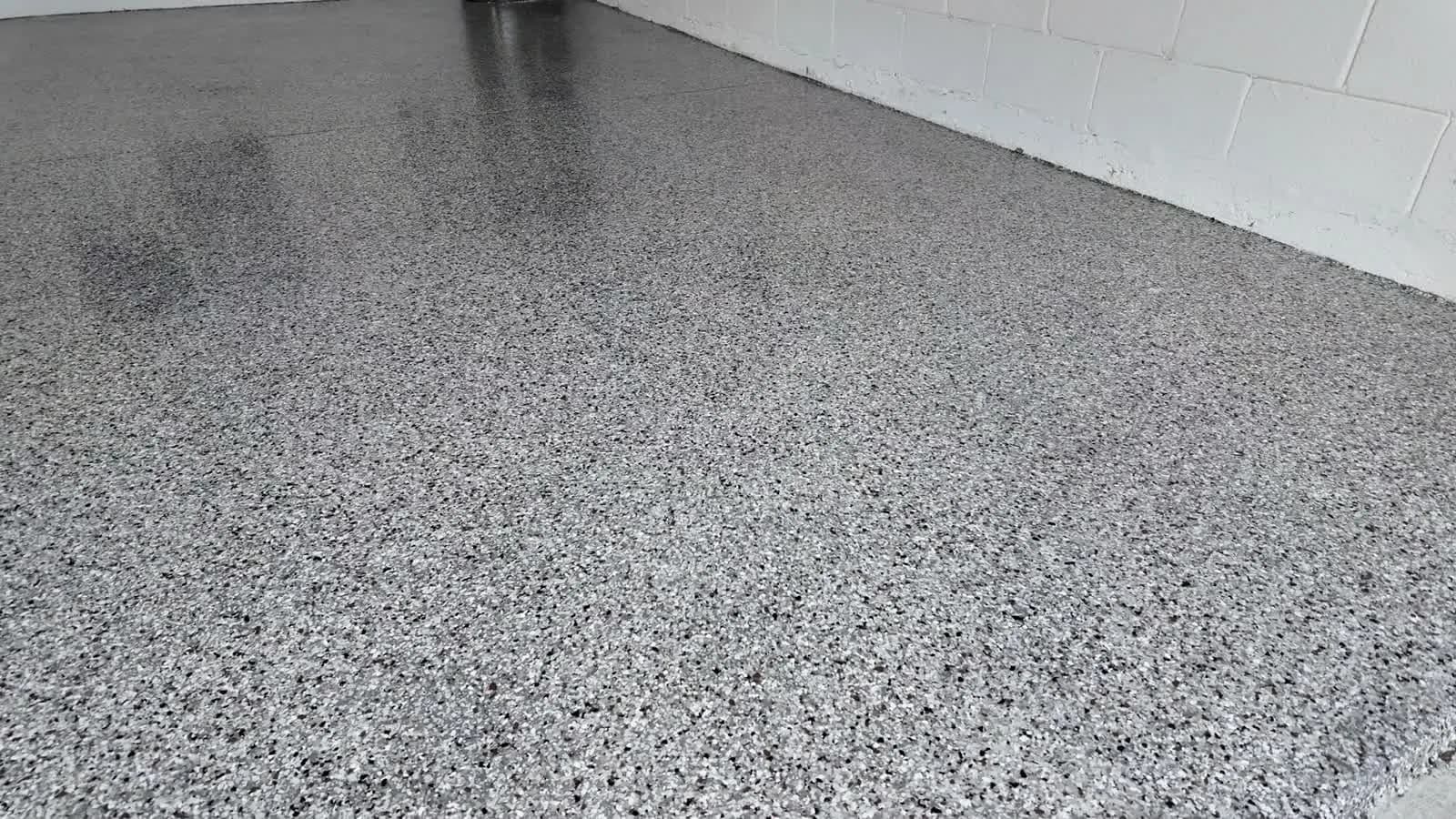
Dr. Phillips sits in a distinct pocket of Central Florida, tucked between the theme park corridor to the north and the Butler chain of lakes to the west. Drive Sand Lake Road and you pass Restaurant Row on one side and quiet, mature golf communities on the other. The homes reflect that mix: established properties around Bay Hill and Phillips Landing with slabs that have cured for decades, alongside newer builds with concrete only a few years old. For a garage floor coating, that split matters more than most homeowners expect.
The right system for a 1990s Bay Hill garage with a weekend coupe is not the same as a newer build near Big Sand Lake where the slab is fresh and the owner just wants a clean, low-maintenance floor. This guide walks through what drives the choice in Dr. Phillips, from Florida heat at the open garage door to how you protect a collector car, so you can ask the right questions before anyone quotes a number.
Florida heat and UV start at the open garage door
The hardest zone in almost any Central Florida garage is the first few feet inside the door. That strip takes direct afternoon sun, radiant heat off the driveway, and the temperature swings of humid summers. Cheaper coatings, especially thin single-part paints from a hardware store, show it first: yellowing near the door, softening in the heat, and edges that peel where the film meets sunlight and moisture.
A quality polyaspartic or epoxy-polyaspartic system is built for this. Polyaspartic topcoats are far more UV stable than older epoxy-only floors, so the color near the door holds instead of ambering, and the surface stays hard when the slab warms. In a Dr. Phillips garage that faces west or gets long sun exposure, UV stability is the difference between a floor that still looks new in year five and one that fades at the threshold.
Established slabs versus newer builds: prep is everything
Older Dr. Phillips homes, the kind you find in the established golf communities off Bay Hill, often have slabs that have lived a full life. Decades of tire traffic, prior sealers, old paint, oil staining, and hairline cracks are common. None of that rules out a great floor, but it does mean the preparation has to be honest. The slab needs to be mechanically ground with a diamond grinder to open the concrete, cracks and pits filled, and any moisture issue checked before a single coat goes down. Coatings do not stick to dirty, sealed, or glazed concrete. They stick to properly profiled concrete.
Newer builds near Big and Little Sand Lake have the opposite situation: clean, sound concrete that has not been abused yet. The smart move there is to seal it early, before years of oil, road salt tracked in from trips, and hot-tire pickup have a chance to stain the surface. A fresh slab still needs grinding for adhesion, but the overall condition is easier, and coating early protects the investment while the concrete is at its best. Either way, be cautious of anyone who wants to skip grinding in favor of a quick acid wash. Surface prep is where good floors are won or lost.
Protecting a weekend or collector car with the right floor
Plenty of Dr. Phillips garages hold two things at once: a daily commuter and something the owner actually cares about, whether that is a weekend convertible, a restored classic, or a low-mileage sports car. If that describes your garage, the floor is part of how you protect the car, not just how it looks.
A sealed, non-porous coated floor stops the slab from releasing moisture vapor toward the underbody and from holding spilled fluids where they off-gas. It wipes clean, so a small oil drip or coolant spot lifts off instead of soaking in and staining. For a car that sits during the week, that matters. If you plan to jack up or work on the car, ask about slip resistance and the coating's tolerance for point loads and hot tires. A well-built polyaspartic floor handles the hot-tire pickup that would peel a cheap epoxy, which is exactly what you want under a car that gets driven hard on the weekend and parked warm.
Choosing a finish: flake, solid color, or metallic
Most Dr. Phillips homeowners land on a full flake, or chip, system. Decorative vinyl flakes are broadcast into the coating and locked under a clear topcoat, giving a textured, non-slip surface that hides dust and minor imperfections and comes in blends that can match the tone of the home. It is the practical, most-requested look, and it holds up well in a working garage.
A solid color system is cleaner and more minimal, and it reads well in a modern newer build, though it shows dust and tire marks a little more readily than a flake blend. Metallic finishes create a deeper, marbled effect and can be striking in a display or collector garage, but they sit at the higher end and are more about showing off the space than hiding wear. The finish should follow how you use the garage and the style of the house, not a salesperson's default.
The one-day process and the cure that actually matters
For most residential garages, a polyaspartic-based floor can be installed in a single day: diamond grinding, crack and joint repair, base coat, flake broadcast, scrape and clean, then the clear topcoat. Because polyaspartic cures fast, a one-day install is realistic for a standard two or three car garage in good condition. Older slabs that need extra repair or moisture mitigation may take longer, which is normal and worth doing right.
The part homeowners underestimate is cure time. As a general guide, you can usually walk on the floor within about a day and drive on it after roughly two to three days, though exact times depend on the product and the weather. In Florida humidity, follow the guidance your installer gives for your job. Rushing a car back onto a floor that has not fully cured is one of the few ways to damage an otherwise perfect install, so plan for the car to stay out a couple of days.
Cost, and the questions worth asking before you commit
Honest answer on price: garage floor coating cost depends on the size of the garage, the condition of the slab, the system you choose, and how much repair the concrete needs before coating. Established Dr. Phillips garages with old paint or cracking naturally take more prep than a clean newer slab, and a premium or heavier-build finish costs more than a standard flake floor. Because those variables swing the number, the only accurate figure is a written quote after someone measures your actual space. Be skeptical of a flat over-the-phone price that ignores the condition of your slab.
Before you sign anything, ask a few direct questions. Do you diamond grind the concrete or only acid etch? What system and topcoat are you using, and is it UV stable for the sun near my garage door? How do you handle existing cracks and any moisture in the slab? What is the realistic cure time before I can park on it? Is the work warrantied, and what does the warranty actually cover? A straight answer to those questions tells you more about the installer than any price alone. When you are ready, request a free quote and get the details in writing for your specific Dr. Phillips garage.
Frequently asked questions
- How long does a garage floor coating take to install in Dr. Phillips?
- Most residential garages in good condition can be coated in a single day using a polyaspartic-based system. The crew grinds the concrete, repairs cracks, applies the base coat and flake, then seals with a clear topcoat. Older slabs that need extra repair or moisture mitigation can take longer. After install, you can generally walk on the floor within about a day and drive on it after roughly two to three days, depending on the product and Florida humidity, so follow the specific guidance your installer gives for your job.
- Will a coating hold up to Florida heat and sun near the garage door?
- Yes, if you use the right system. The strip just inside an open garage door takes the most direct sun and heat in Central Florida, and thin hardware-store paints tend to yellow, soften, or peel there first. A quality polyaspartic or epoxy-polyaspartic floor uses a UV-stable topcoat that resists ambering and stays hard as the slab warms, which is why it holds up far better in a Dr. Phillips garage than a single-part epoxy.
- Is a coated floor worth it if I store a weekend or collector car?
- For many enthusiasts it is one of the better upgrades. A sealed, non-porous floor keeps slab moisture vapor from reaching the underbody and stops spilled fluids from soaking into the concrete. Drips wipe off instead of staining, and a well-built polyaspartic surface resists the hot-tire pickup that peels cheap epoxy. If you plan to work on the car, ask about slip resistance and tolerance for point loads and jacks.
- My Bay Hill area home is older. Can my slab still be coated?
- Almost always, yes. Older Dr. Phillips slabs often carry decades of tire wear, prior sealers, oil staining, and hairline cracks, but proper preparation solves that. The concrete is diamond ground to open the surface, cracks and pits are filled, and any moisture issue is checked before coating. The key is thorough prep. Be cautious of anyone who wants to skip grinding for a quick acid wash on an older floor.
- How much does a garage floor coating cost?
- Cost depends on the garage size, the condition of the slab, the system and finish you pick, and how much concrete repair is needed first. An established garage with old paint or cracking takes more prep than a clean newer slab, and a premium or heavier-build finish costs more than a standard flake floor. Because those factors move the price, the accurate way to get a number is a written quote after your space is measured. Request a free quote for your specific garage.
Related services
Ready for an exact price?
Get a free, no-pressure in-home estimate. Real numbers for your home, not a phone guess.